
Your Body, Your Business: Investing in Relief from Office Syndrome
In the contemporary professional landscape, especially in bustling urban centers like Bangkok, the demands of desk-bound work have given rise to a pervasive health challenge: Office Syndrome.
1/30/20264 min read


In the contemporary professional landscape, especially in bustling urban centers like Bangkok, the demands of desk-bound work have given rise to a pervasive health challenge: Office Syndrome.
This isn't just a fleeting ache; it's a constellation of musculoskeletal and systemic issues stemming from prolonged static postures, repetitive movements, and ergonomic oversights. From nagging neck and shoulder pain to chronic headaches, carpal tunnel symptoms, and even digestive issues, Office Syndrome can silently erode productivity, diminish quality of life, and accumulate significant personal and corporate costs.
While often overlooked as simply "part of the job," recognizing and addressing these symptoms is a critical investment – not just in personal well-being, but in the vitality and efficiency of your professional life.
This article will delve into "Your Body, Your Business: Investing in Relief from Office Syndrome," exploring the multifaceted impacts of this modern affliction, detailing effective strategies for prevention and treatment, and emphasizing why proactive measures are essential for fostering a healthier, more productive, and pain-free working life.
The Silent Epidemic: Understanding Office Syndrome
Office Syndrome is often described as the silent epidemic: understanding Office Syndrome, affecting a vast majority of desk-bound workers. It encompasses a range of symptoms including chronic neck, shoulder, and back pain, often radiating to the arms and hands, sometimes presenting as tingling or numbness.
Headaches, eye strain, stiffness in joints, and even digestive discomfort or sleep disturbances can also be part of this complex. The primary culprits are prolonged periods of sitting in a static position, poor posture, repetitive motions (like typing or using a mouse), and inadequate ergonomic setups.
When muscles are held in a contracted position for extended durations, blood circulation is reduced, leading to lactic acid buildup, muscle stiffness, and inflammation. Over time, this can lead to myofascial pain syndrome, trigger points, and even disc degeneration, significantly impacting daily functioning and overall well-being.


The Cost to Productivity and Well-being
Beyond personal discomfort, Office Syndrome carries the cost to productivity and well-being, impacting individuals and organizations alike. Chronic pain and fatigue lead to decreased concentration, reduced efficiency, and an increase in errors.
Employees suffering from Office Syndrome may experience more sick days, higher healthcare costs, and a general decline in job satisfaction. This physical discomfort often translates into mental stress, irritability, and even symptoms of anxiety or depression, further compounding the problem.
For businesses, this translates to reduced output, increased absenteeism, and potentially higher employee turnover. Investing in the prevention and treatment of Office Syndrome is, therefore, not just a humanitarian effort but a strategic business decision that safeguards human capital and boosts organizational health.
Ergonomics: Your First Line of Defense
A fundamental strategy in combating Office Syndrome is ergonomics: your first line of defense. Ergonomics involves designing the workspace to fit the worker, rather than forcing the worker to fit the workspace. This includes ensuring your chair provides adequate lumbar support and allows your feet to be flat on the floor or a footrest.
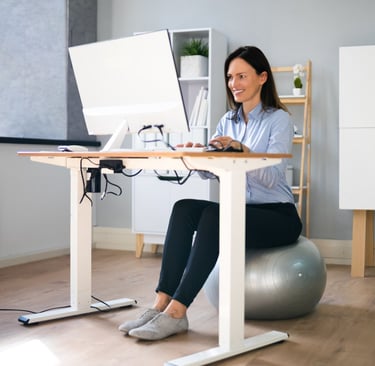
Your computer monitor should be at eye level to prevent neck strain, and your keyboard and mouse should be positioned to keep your wrists straight and relaxed. Adjustable desks that allow for alternating between sitting and standing are also highly beneficial.
Investing in ergonomic equipment and understanding how to properly set up your workstation can significantly reduce the strain on your musculoskeletal system, preventing the onset or worsening of Office Syndrome symptoms by promoting neutral postures and reducing repetitive stress.

Movement and Breaks: The Essential Antidote
Even with a perfectly ergonomic setup, prolonged static positions are detrimental. Thus, movement and breaks: the essential antidote are crucial. Incorporating regular micro-breaks every 30-60 minutes to stand, stretch, and walk around is vital. Simple stretches for the neck, shoulders, wrists, and back can help alleviate muscle tension and improve blood circulation.
Hydration is also important; getting up to refill your water bottle serves as a natural prompt for movement. Encourage mindful movement throughout the day, whether it's taking a short walk during lunch, doing a few desk exercises, or simply changing your sitting posture frequently. These small, consistent efforts counteract the negative effects of prolonged sitting and significantly contribute to preventing stiffness and pain associated with Office Syndrome.
Professional Interventions for Lasting Relief
When symptoms persist or become severe, professional interventions for lasting relief become necessary. This often involves consulting with healthcare professionals specializing in musculoskeletal health. Physiotherapy plays a critical role, offering targeted exercises to strengthen weak muscles and stretch tight ones, manual therapy techniques, and modalities like ultrasound or laser therapy to reduce pain and inflammation. Traditional Thai massage, when performed by a skilled therapist, can also be highly effective in releasing muscle knots and improving energy flow. In some cases, medical treatments like anti-inflammatory medication or dry needling might be recommended. The key is a personalized approach that addresses the root causes of your specific symptoms, working towards long-term relief rather than just temporary alleviation.
Conclusion
Your Body, Your Business: Investing in Relief from Office Syndrome is a call to action for every professional. Office Syndrome is a pervasive challenge, but it is not an unconquerable one. By understanding its causes and impacts, implementing sound ergonomic practices, prioritizing regular movement and breaks, and seeking professional guidance when necessary, you can proactively safeguard your well-being.
Investing in your physical health, especially in an urban work environment, is an investment that pays dividends not only in terms of personal comfort and vitality but also in sustained productivity and a more fulfilling professional life. Prioritize your body; your business will thank you.
Resources
Comprehensive information, practical tips, effective solutions, workplace health
Office Syndrome & Well-being
© 2026. All rights reserved. Designed by Pimclick - SEO Agency
Effective Exercises and Stretches for Relief
The Role of Workplace Wellness Programs